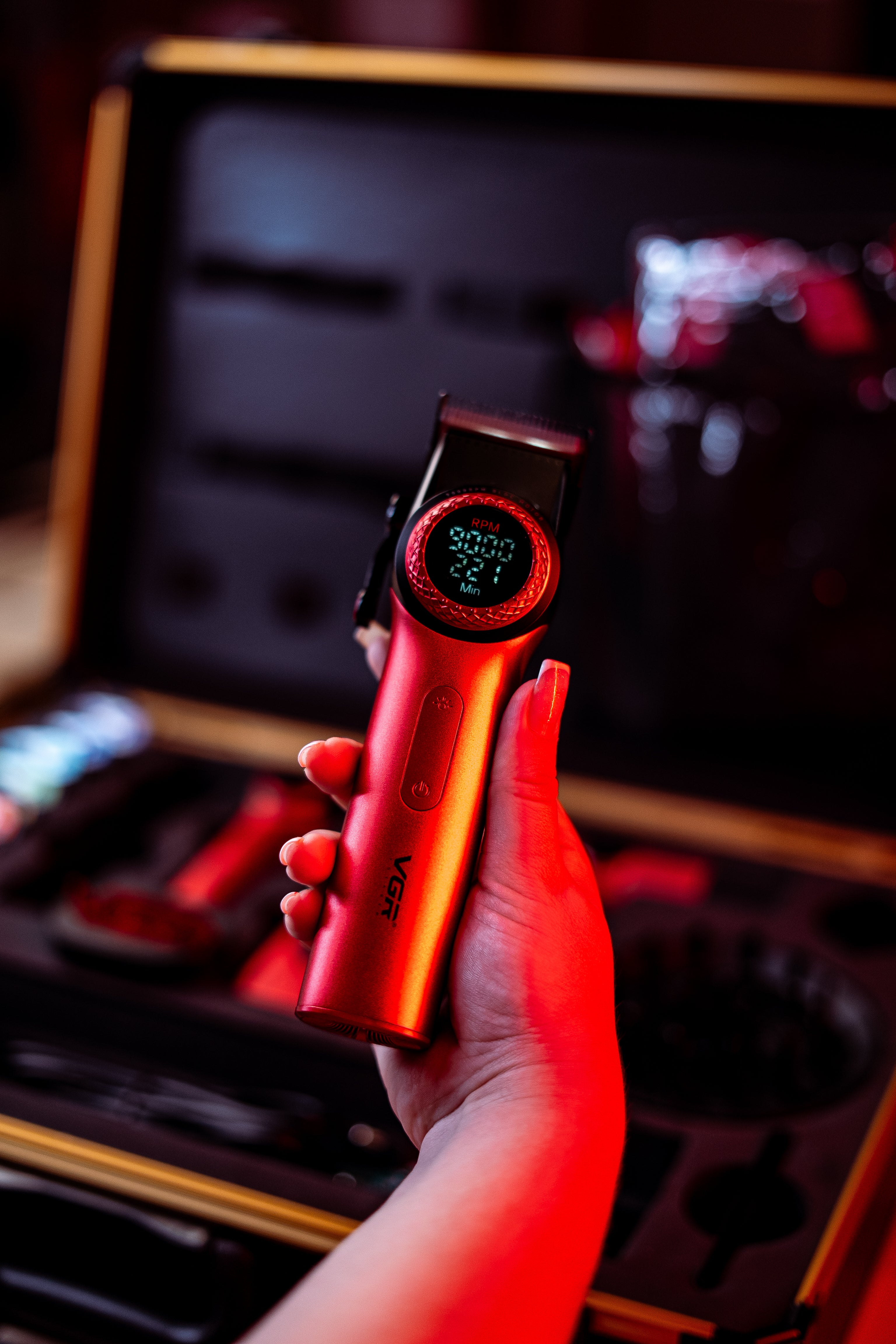
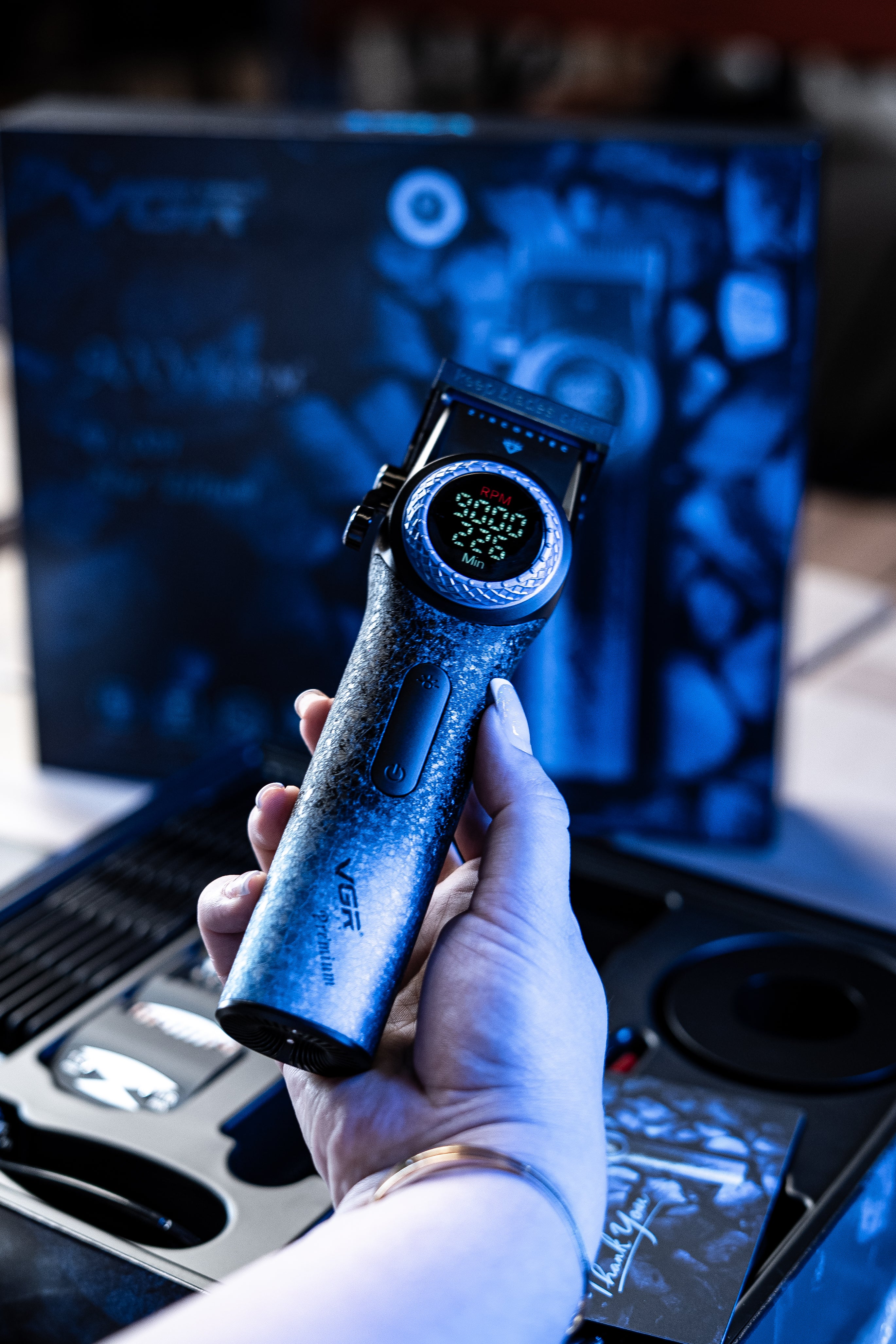
Pulling Hair
Dull blades, wrong tension or a poorly matched motor pinch instead of cut. Clients flinch, you slow down.
Usually blade pairing or motor torque
If your clipper pulls hair, loses power, heats up, or makes finishing harder — the problem may not be your technique. It may be the wrong tool for your work.
Most barbers blame themselves when a cut takes longer, looks uneven, or feels off. Nine times out of ten, it's a tool mismatch — not a skill gap.
Dull blades, wrong tension or a poorly matched motor pinch instead of cut. Clients flinch, you slow down.
Bogs down on thick hair, stalls on dense beards. You compensate by going slow — and finishing suffers.
Hot housing forces breaks mid-service. Bad for the blade, bad for the client, bad for your day.
Clean fades need a tool that lays flat, sees the line, and zeros consistently. Compromise here shows.
A great clipper is the wrong machine for detail. A great trimmer fails at bulk. Buying once isn't always buying right.
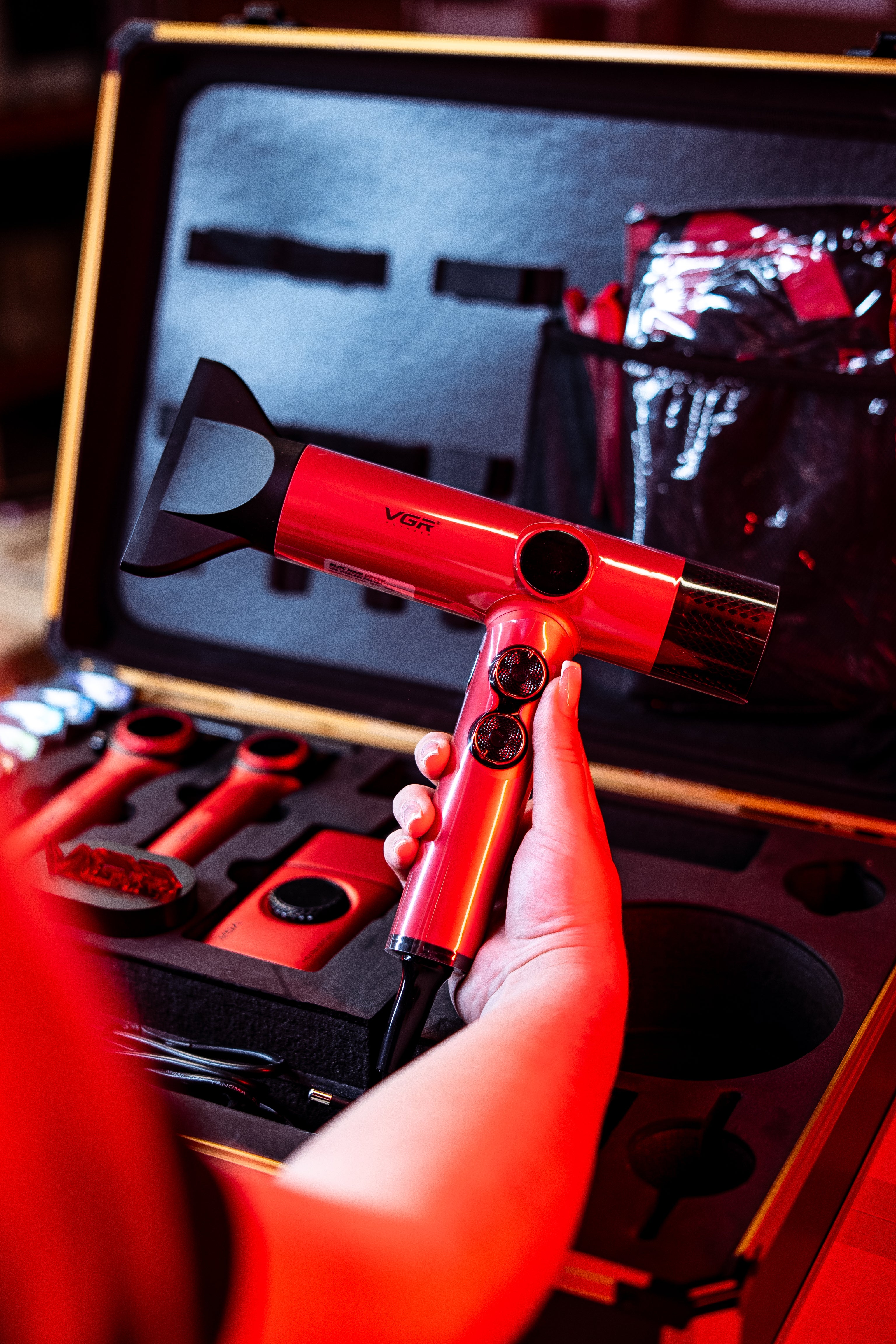
We don't believe in a single "best machine." We believe in the right machine for the right part of your service. Here's how we group them.
Bulk removal, blends and shape. Where torque and blade speed do the heavy lifting.
Detail work, line-up, and zero-gap finishing. Precision over power.
Bald fades, head shaves, sensitive-skin closes — without burn or irritation.
Matched clipper + trimmer pairs that share batteries, blades, and a workflow.
Blades, guards, oils and replacement parts that keep your machines cutting like new.
Less swapping, less compensating, less fighting the machine. More chairs per day.
Sharper lines, tighter blends, predictable zero-gap. Work that photographs well.
When you trust your tool, you stop second-guessing your hand. Clients feel that.
No pulling, no overheating, no awkward pauses. Clients book the next cut before they leave.
A short form. A real human reads it. We'll come back with one or two recommendations based on what you actually do at the chair — not what's on sale.